
Bioretention & Rain Garden Installation
Bioretention cells and rain gardens are among the most widely specified stormwater best management practices for residential and commercial development across Northern Virginia. These systems use engineered soil media, native vegetation, underdrains, and overflow structures to filter stormwater runoff, reduce peak flow volumes and improve water quality entering local waterways and the Chesapeake Bay watershed.
When properly installed and maintained, bioretention systems deliver measurable pollutant removal, long-term hydrologic performance, and lasting value for owners, developers and the communities they serve.
Capital Stormwater Services installs and maintains bioretention cells and rain gardens to approved civil plans, Virginia DEQ design standards, and local stormwater authority requirements. Our crews are experienced in soil media placement, underdrain installation, overflow structure setting and vegetation establishment - the critical elements that determine long-term system performance. Every installation is completed to specification and every maintenance visit is thoroughly documented, giving owners, engineers and local authorities the documentation they need to verify performance, maintain compliance and support ongoing system management.
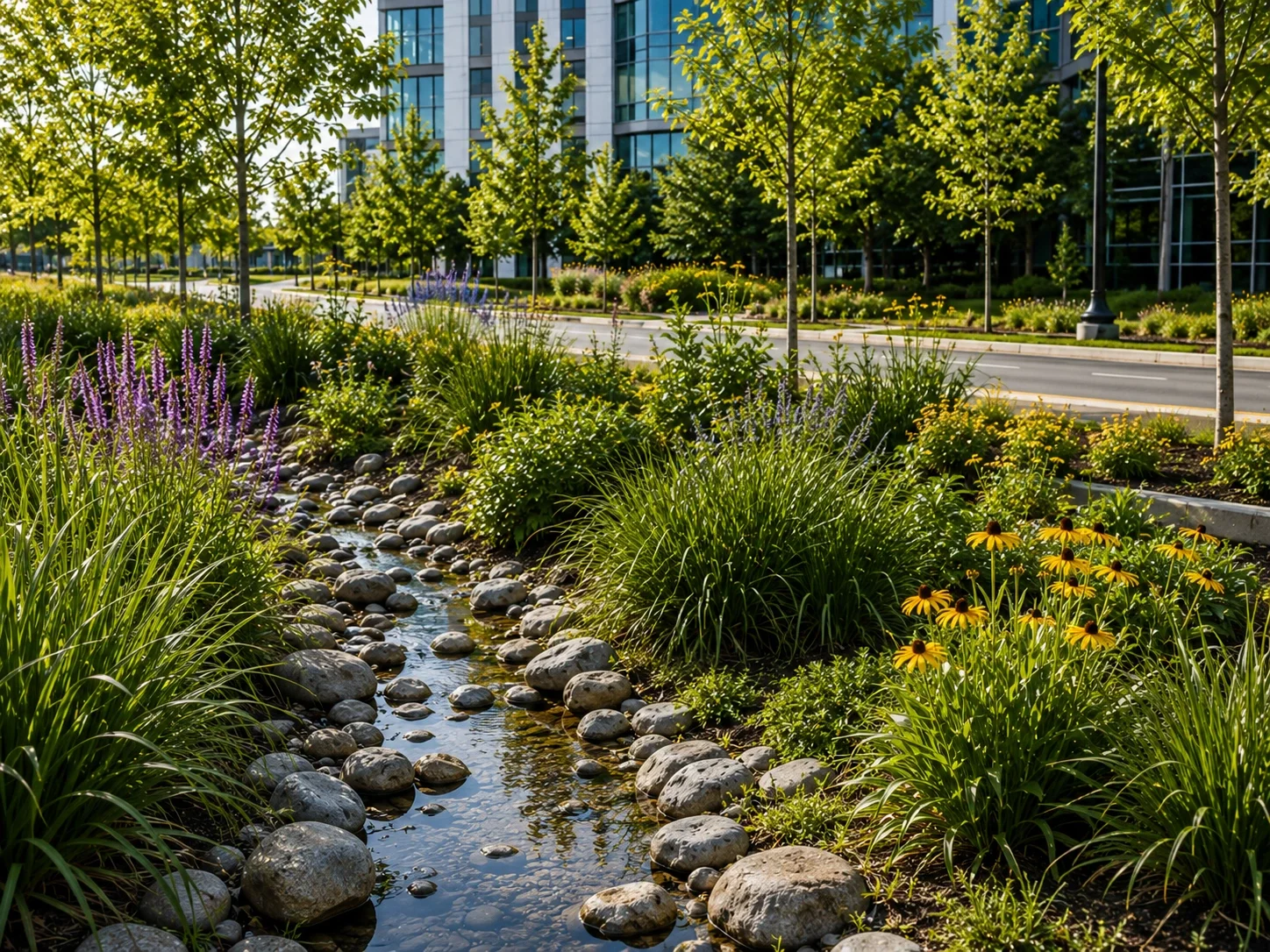
The Stormwater BMP Built to Treat, Filter and Perform. Bioretention is the Regional Standard for Stormwater Treatment
Bioretention systems are one of the most effective and widely accepted stormwater best management practices available for Northern Virginia's development landscape. They are frequently specified by civil engineers, required by local VSMP authorities, and credited by Virginia DEQ for meeting pollutant load reduction and water quality requirements under the Chesapeake Bay Program.
Unlike detention systems that simply hold and release water, bioretention systems actively treat stormwater filtering pollutants, reducing runoff volume, and recharging groundwater through engineered soil media and native vegetation. The result is cleaner water reaching local streams, wetlands, and ultimately the Chesapeake Bay.
For developers, builders and property owners in Northern Virginia, bioretention systems offer a proven, regionally accepted solution that satisfies regulatory requirements, integrates naturally into site design, and delivers measurable environmental benefit for the communities they serve.
BIORETENTION SYSTEMS
We install underground detention systems to project specifications and local stormwater requirements. Done right and on schedule.
What We Install
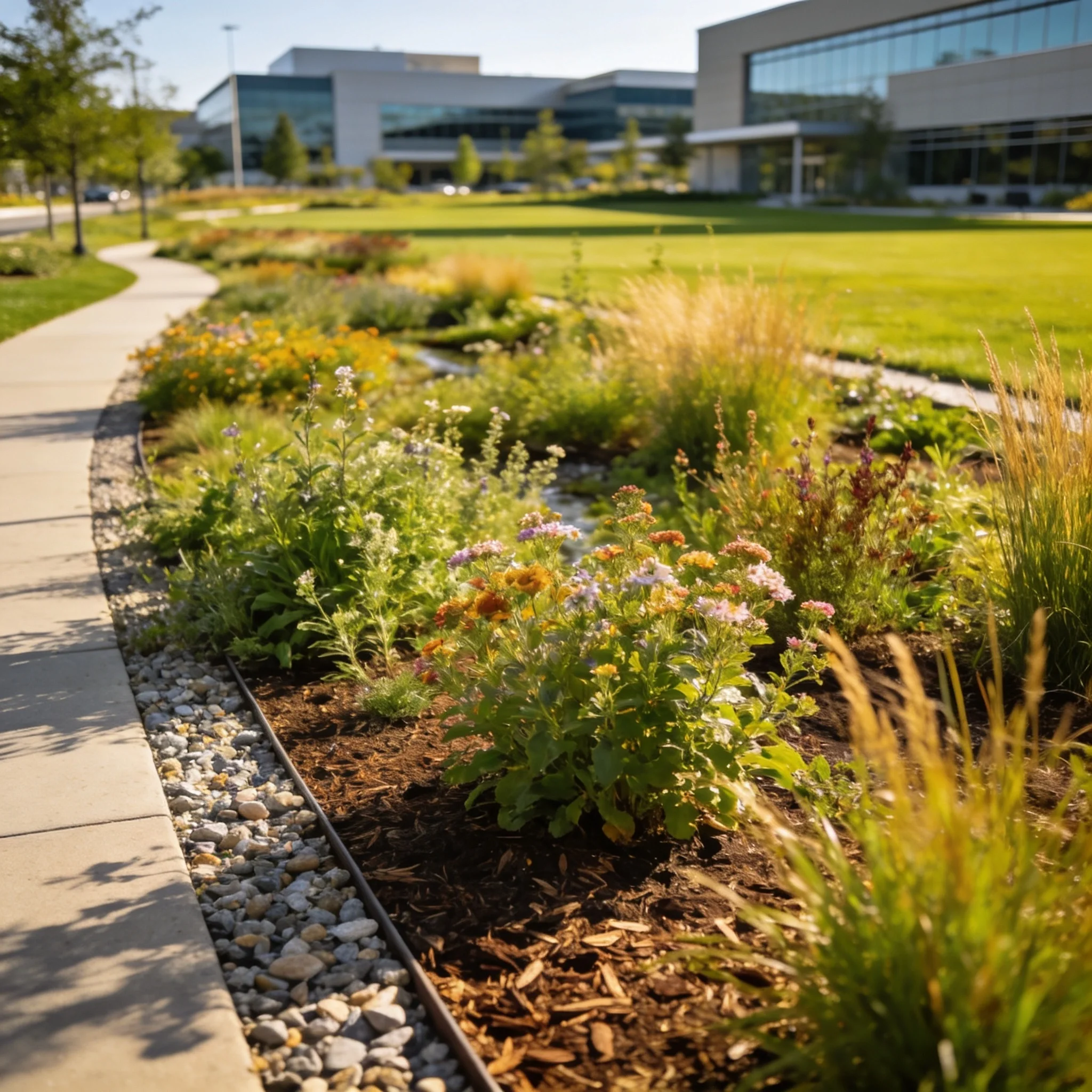
Bioretention Cells

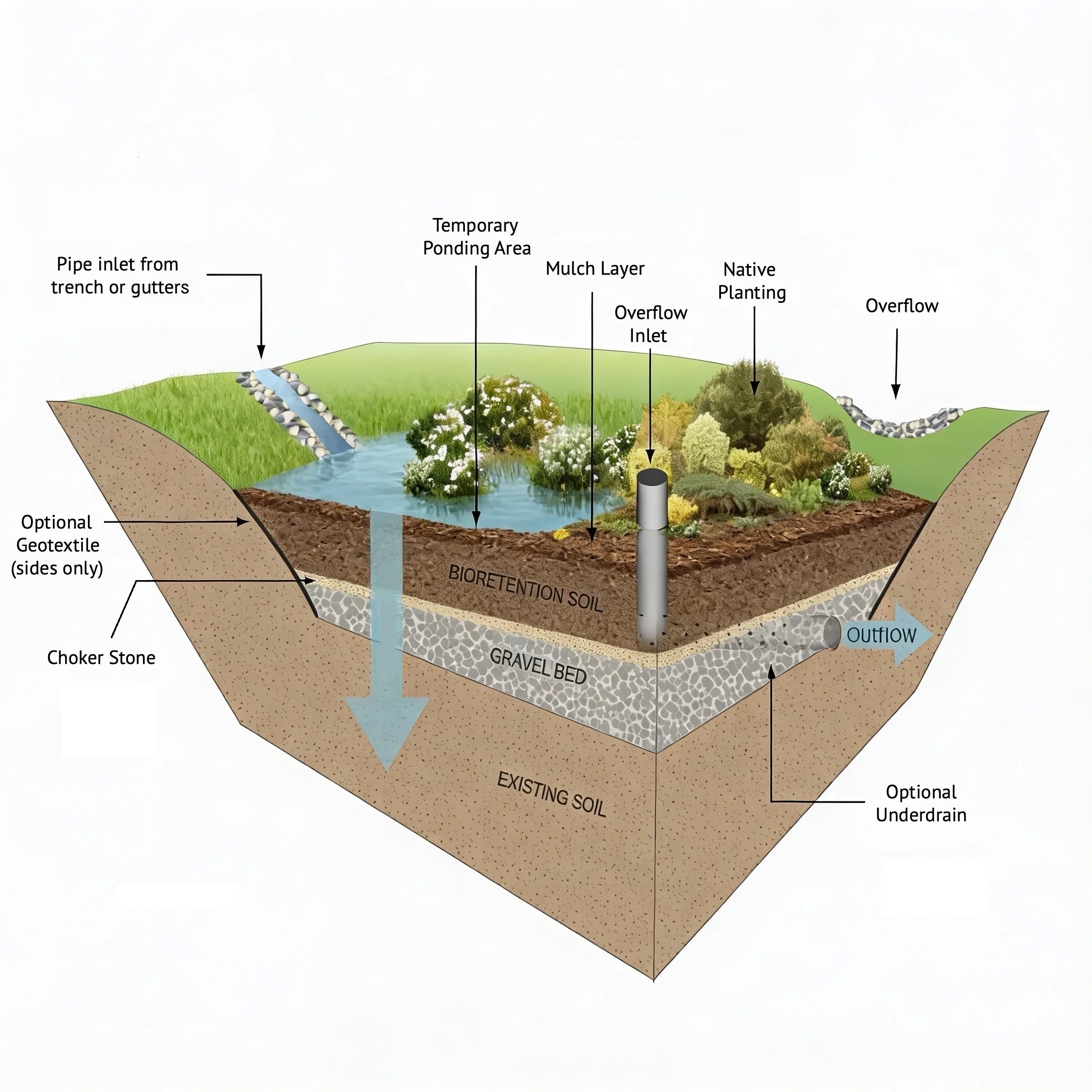
Engineered systems with ponding areas, specified soil media, underdrains, overflow structures, and native plantings designed for pollutant removal and volume reduction
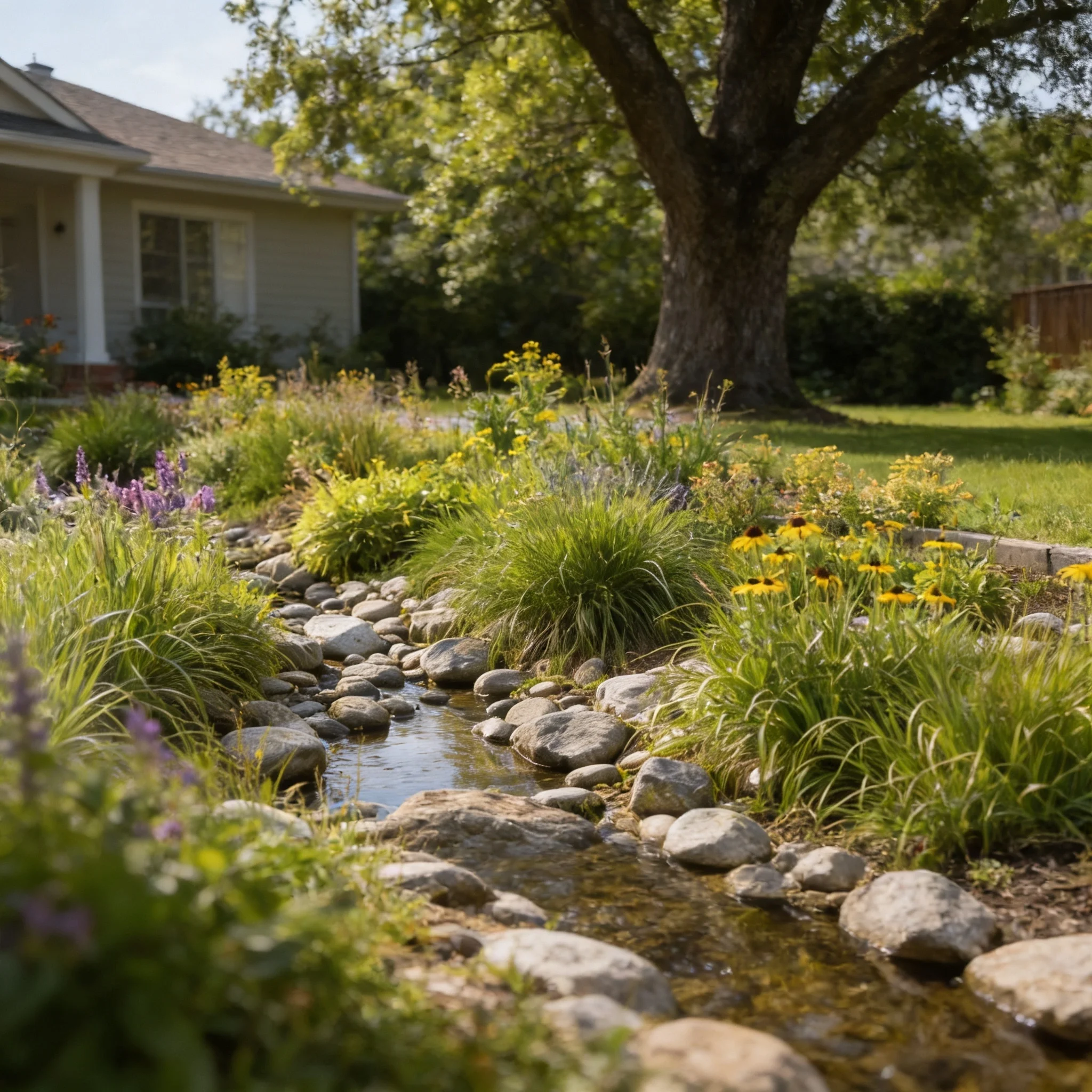
Rain Gardens

Smaller-scale bioretention systems for residential and commercial stormwater treatment, designed to capture and filter runoff close to the source.
Infiltration Trenches
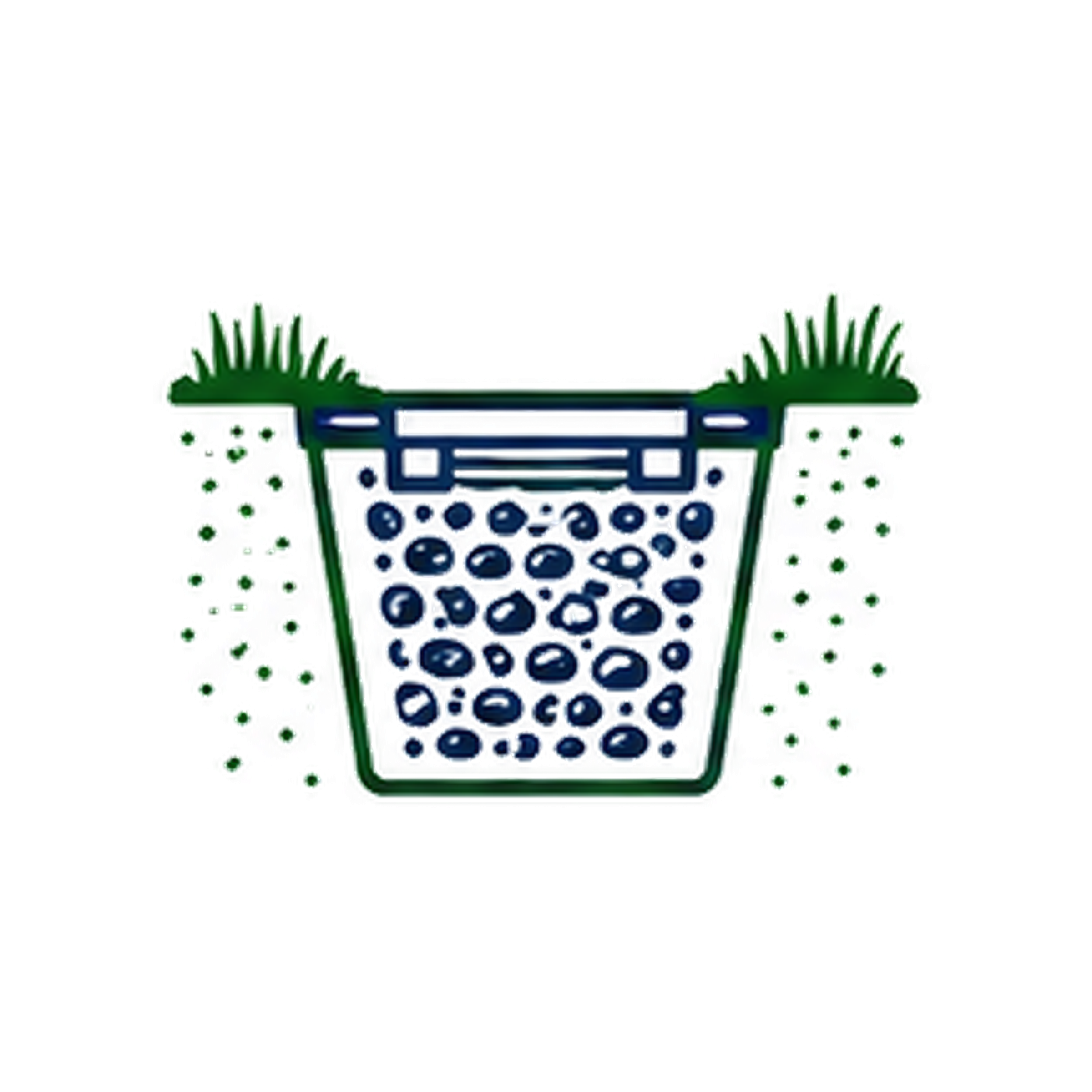
Linear subsurface systems designed for drainage, stormwater storage, and ground infiltration where soil conditions and site geometry allow.
Dry Swales
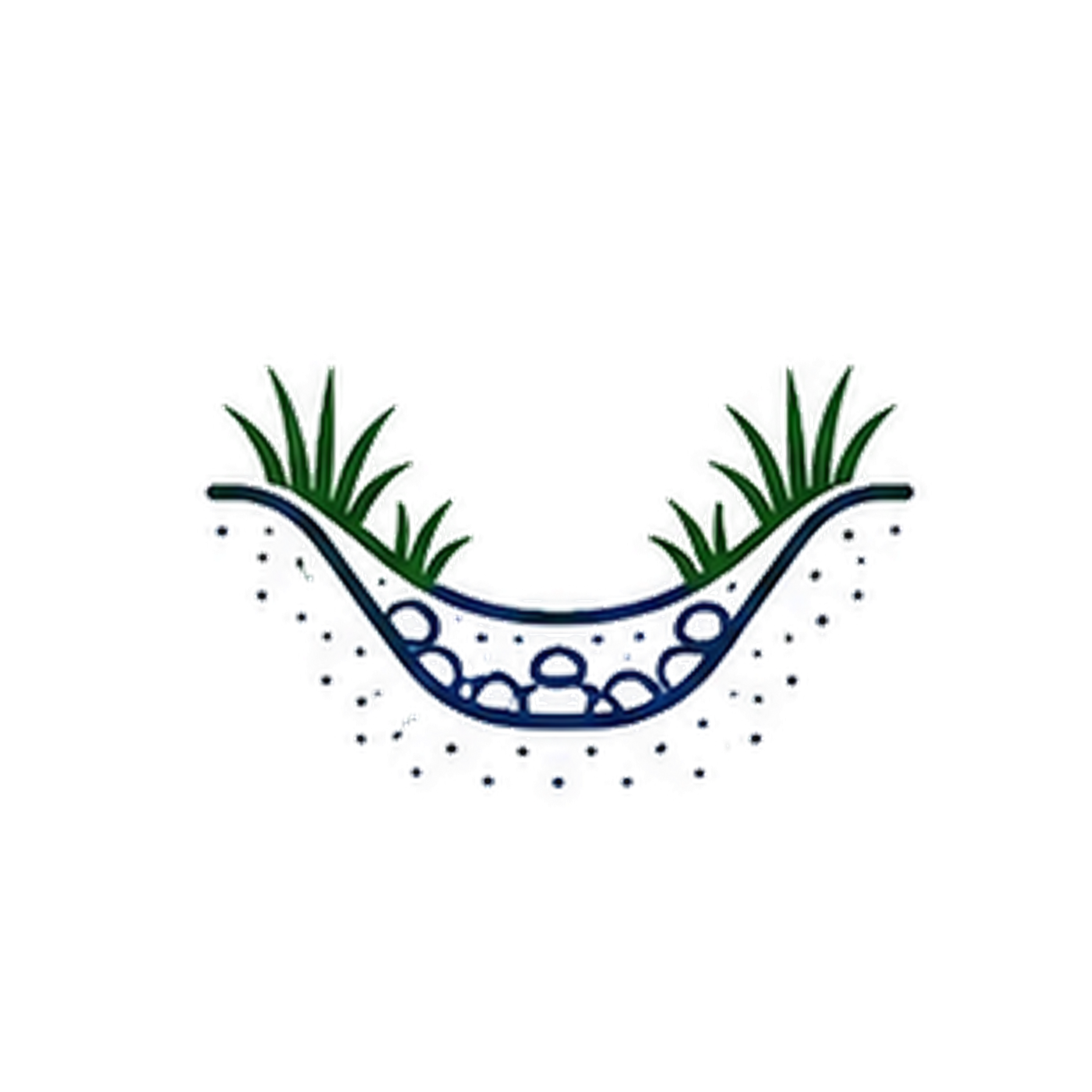
Vegetated conveyance channels with engineered soil media, underdrain components, and plantings that treat stormwater as it moves across a site.
Vegetated Filter Strips
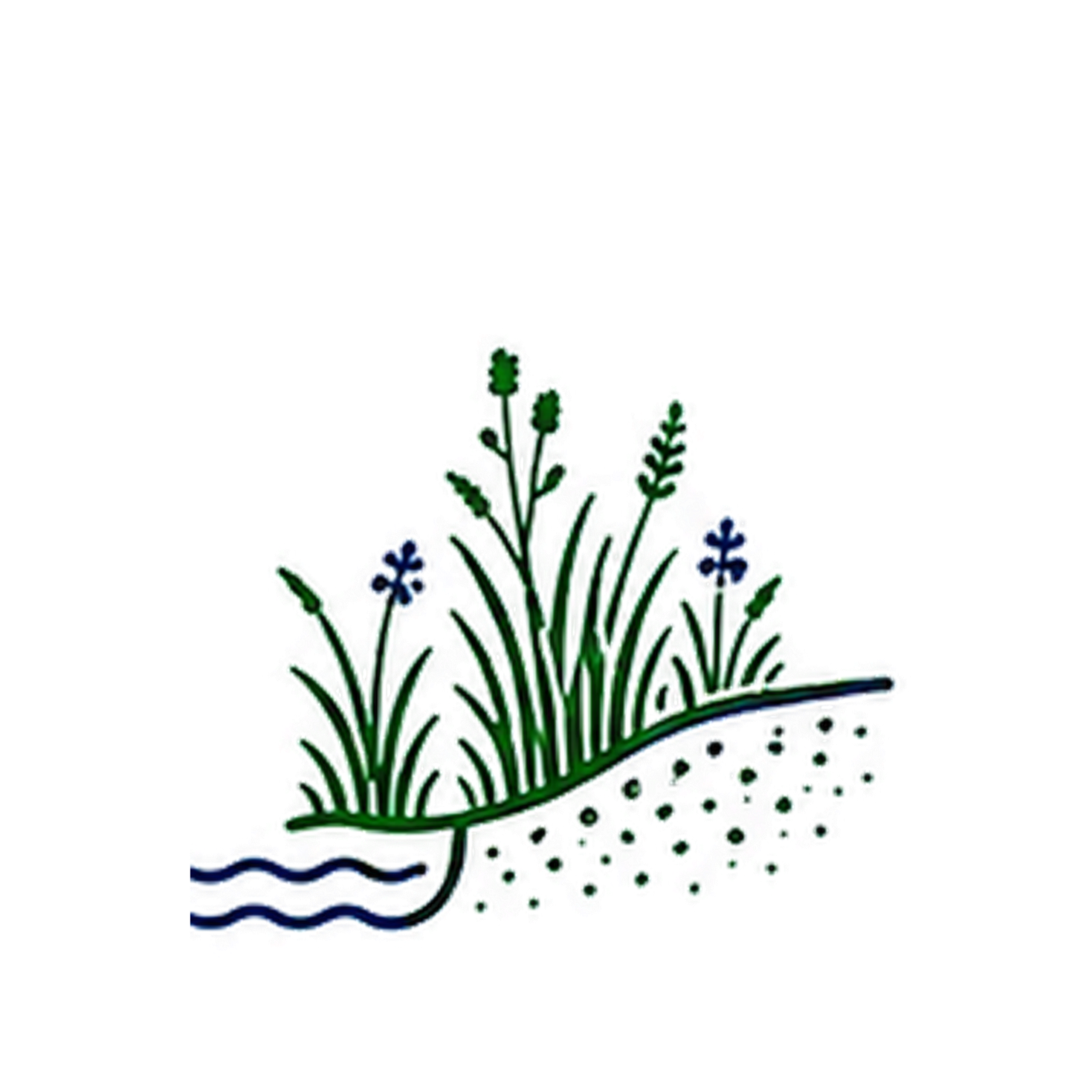
Uniformly graded, vegetated buffers that spread sheet flow, filter sediment and provide slope transition treatment between impervious surfaces and receiving areas.
Installation Standards
All bioretention and rain garden installations are performed to PE-stamped plan specifications and engineered to site-specific conditions, in full compliance with local VSMP requirements, municipal ordinances, and Virginia DEQ design standards.
Existing subgrade excavated to plan depth and dimensions; subsoil scarified to promote infiltration where required
Perimeter and base geotextile fabric installed to prevent migration of native soils into engineered media
Underdrain pipe installed at plan grade with perforations, bedding and cleanout access per plan details
Engineered soil media placed and graded in lifts to specified depth. Media is specified by the engineer of record and sourced to specification to optimize filtration, infiltration, and long-term biological performance
Overflow structure installed and set to plan elevation to manage design storm events and protect system integrity during high-flow conditions
Inlet and energy dissipation features installed to prevent erosion and protect media during inflow events
Native vegetation planted to approved planting plan to support filtration performance, root structure development and system establishment
Final grades verified and documented. As-built measurements and photo documentation provided for owner, engineer and local authority records
Biorentention Maintenance
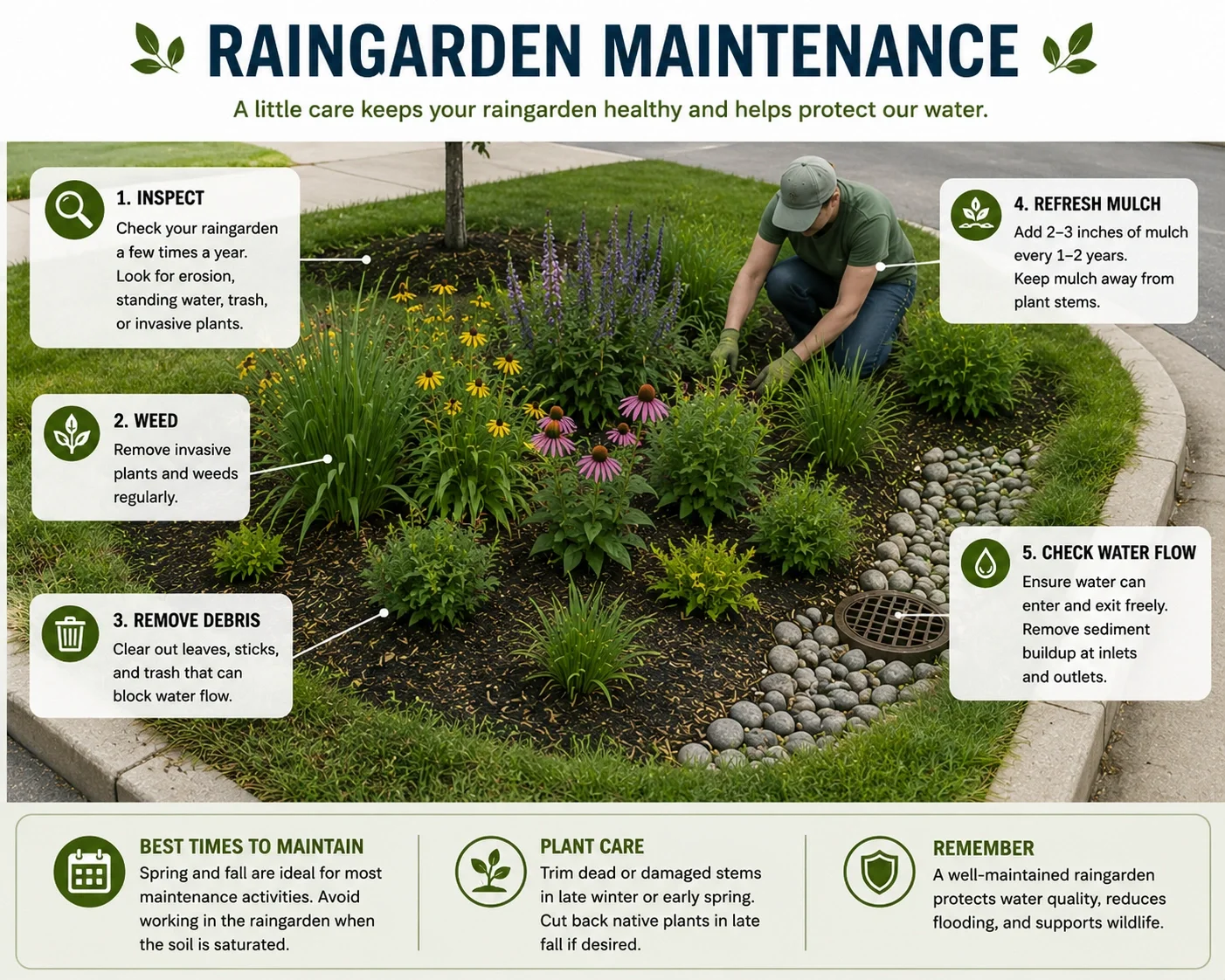
Bioretention systems require regular maintenance to remain functional, compliant, and effective over their service life. Throughout Northern Virginia, privately owned BMP facilities are subject to ongoing inspection, maintenance, and documentation requirements under local stormwater programs. Neglected systems lose infiltration capacity, accumulate sediment, and can trigger enforcement actions from local VSMP authorities.
Capital Stormwater Services provides both bioretention installation and long-term maintenance giving property owners, HOAs and facility managers one qualified contractor for the full life of the system.
Why Maintenance Matters
Routine inspection and maintenance preserve infiltration capacity, pollutant removal effectiveness and long-term system performance
Properly maintained systems protect owners from regulatory enforcement and demonstrate ongoing compliance with local stormwater agreements
Documented maintenance records support VSMP compliance, satisfy BMP maintenance agreement requirements and provide a defensible record for local authority reviews
We Install It. We Maintain It. We Stand Behind It. Bundled Installation + Maintenance

One Point of Contact.
One contractor managing installation, maintenance and compliance reporting means simpler communication, greater continuity and a team that knows your complete system inside and out.

Installed to Perform. Maintained to Last.
Systems built to specification and maintained on schedule deliver stronger performance, longer service life, and greater return on your stormwater investment.

Documented at Every Step. Ready When It Matters.
Every inspection, maintenance visit, and repair is recorded, photographed, and on file giving owners, engineers, and local authorities a complete, defensible and accurate compliance record whenever requested or required. Systems built to specification and maintained on schedule deliver stronger performance, longer service life, and greater return on your stormwater investment.
MAINTENANCE SERVICES

Sediment Removal
Mulch Replacement

Plant Establishment

Invasive Removal
Underdrain Inspection and Cleanout
Overflow Structure Inspection
Minor Repairs
Photo- Documented Inspection Reports
Ready To Talk About Your Project?
Let’s build smarter, stronger and more sustainable solutions - together.